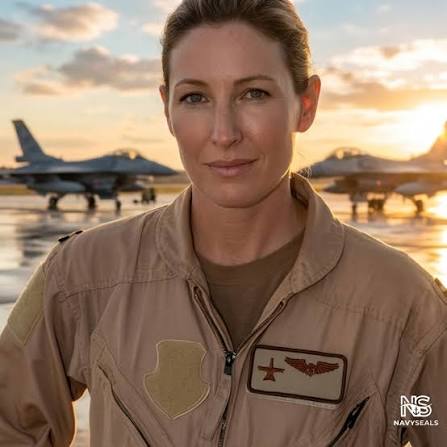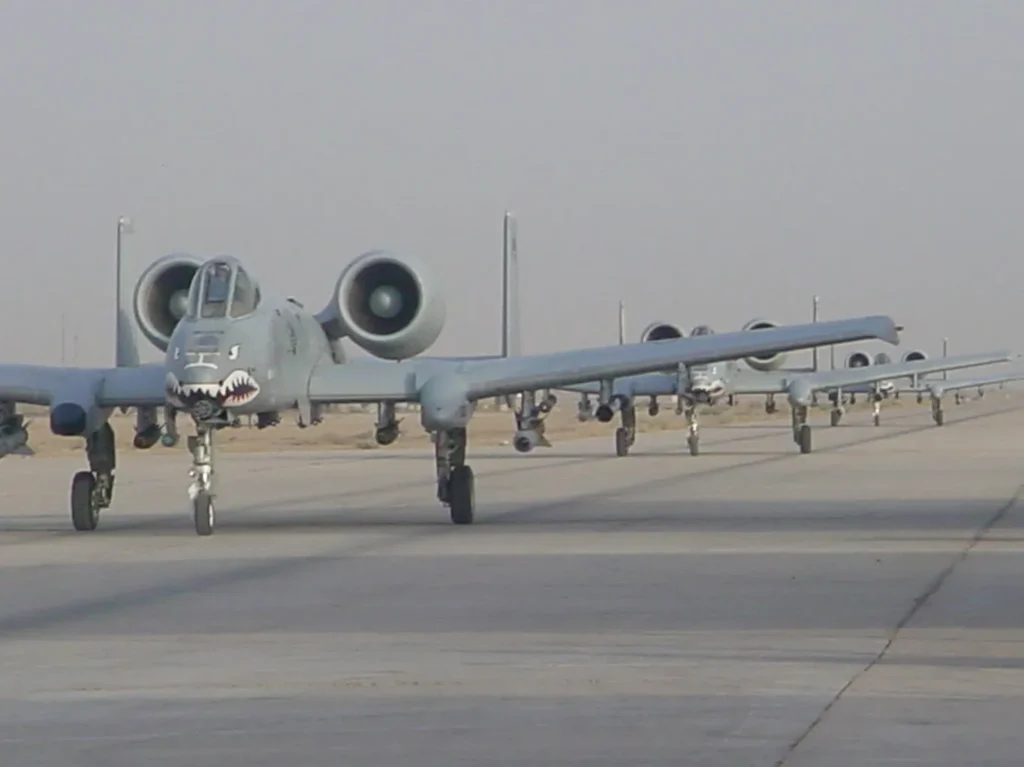
On April 7, 2003, Captain Kim “Killer Chick” Campbell was flying her A-10 Warthog low over Baghdad, providing close air support for American soldiers pinned down and calling for help. She had just finished a rocket pass on the enemy position attacking them when a massive explosion rocked the back of her jet. A surface-to-air missile had slammed into the aircraft, sending shrapnel through the fuselage and tail and severing both of its hydraulic systems in an instant. The controls went dead in her hands. The jet rolled hard to the left and pointed straight down toward the Tigris River, not responding to a single input she gave it.
The A-10’s emergency checklist for a total hydraulic failure has one instruction: eject. Campbell chose not to. Bailing out meant parachuting into the middle of a hostile city, and she was not willing to risk capture. Instead she reached for the aircraft’s last resort, a backup system called manual reversion, a network of old mechanical cranks and cables that lets a pilot fly using raw physical force once the hydraulics are gone. It is a system so difficult to control that its own checklist warns pilots to attempt it “only under ideal conditions,” and in the rare instances it had been used before, it had not always ended well, in one prior case the pilot did not survive the attempt.
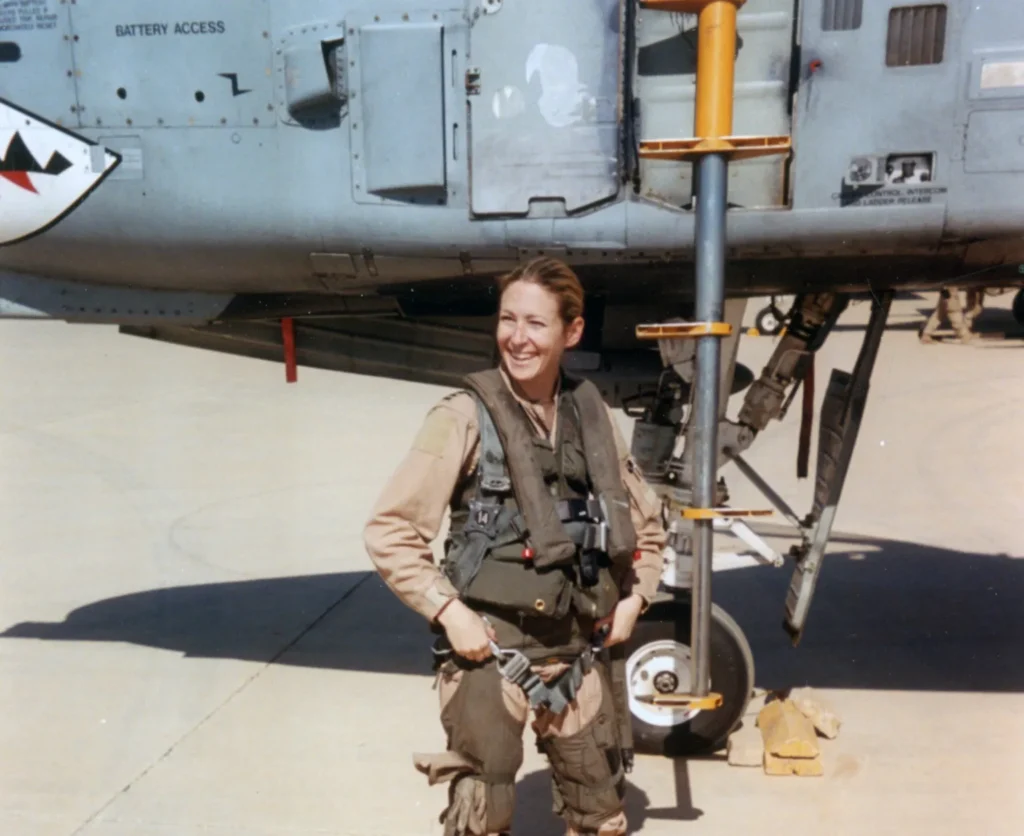
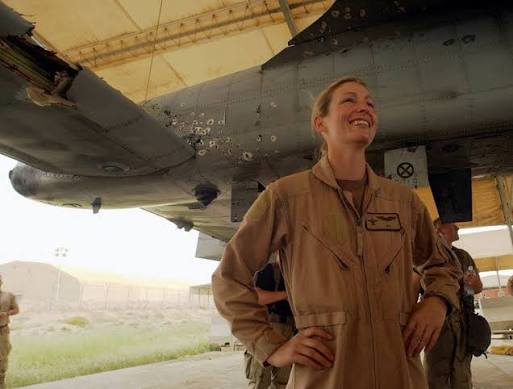
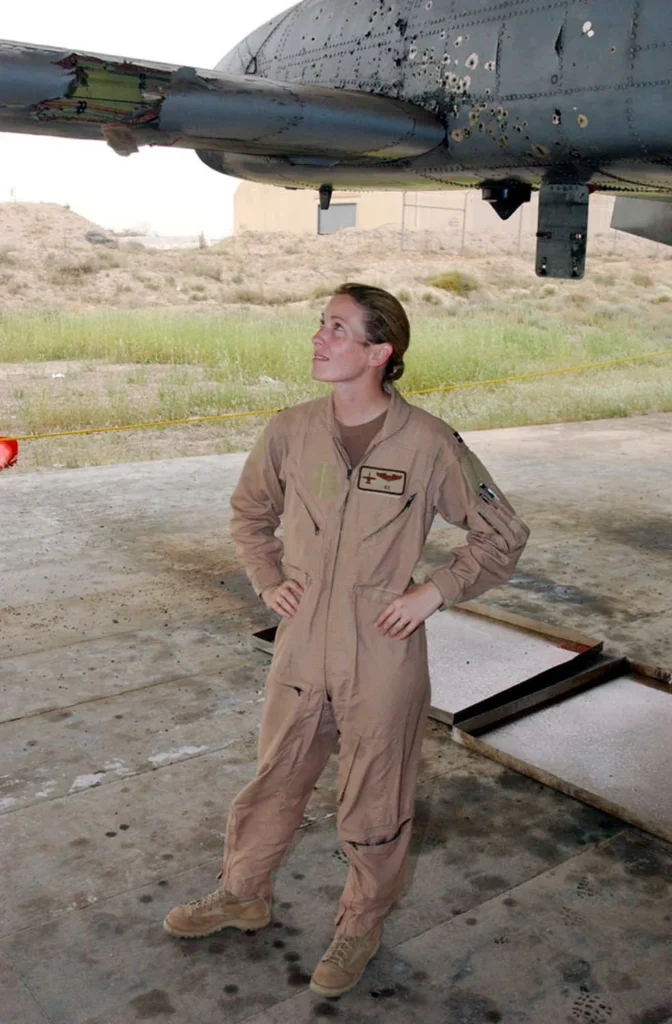
For Campbell, the jet answered. The nose came up, and the Warthog began climbing away from Baghdad while anti-aircraft fire chased her through the sky. With her flight lead flying alongside to help talk her through the damage, she nursed the crippled jet roughly 300 miles, close to an hour in the air, all the way back to base in Kuwait. Ground crews later counted well over a hundred holes in the airframe, along with a football-sized hole punched clean through the right horizontal stabilizer. Despite having no hydraulics and no brakes, she brought the aircraft in for what witnesses described as a textbook landing.
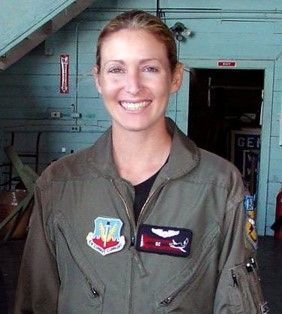
Kim Campbell was awarded the Distinguished Flying Cross for her actions that day and went on to serve more than two decades in the Air Force, retiring as a colonel. Her aircraft never flew again, but a piece of its tail now sits in her home, a reminder of the day the A-10’s legendary toughness, and her own refusal to give up on it, brought her home.