The United States military has identified the six service members who died when a KC-135 Stratotanker refueling aircraft crashed in western Iraq on March 12, 2026. The tragedy occurred while the aircraft was supporting U.S. military operations in the region. All six members of the crew were killed.
The U.S. Central Command said the aircraft was operating in friendly airspace when an incident involving two aircraft occurred. The second aircraft was able to land safely, while the KC-135 went down in western Iraq. Officials emphasized that the loss of the aircraft was not caused by hostile fire or friendly fire, and investigators began examining the circumstances surrounding the accident. (AP News)
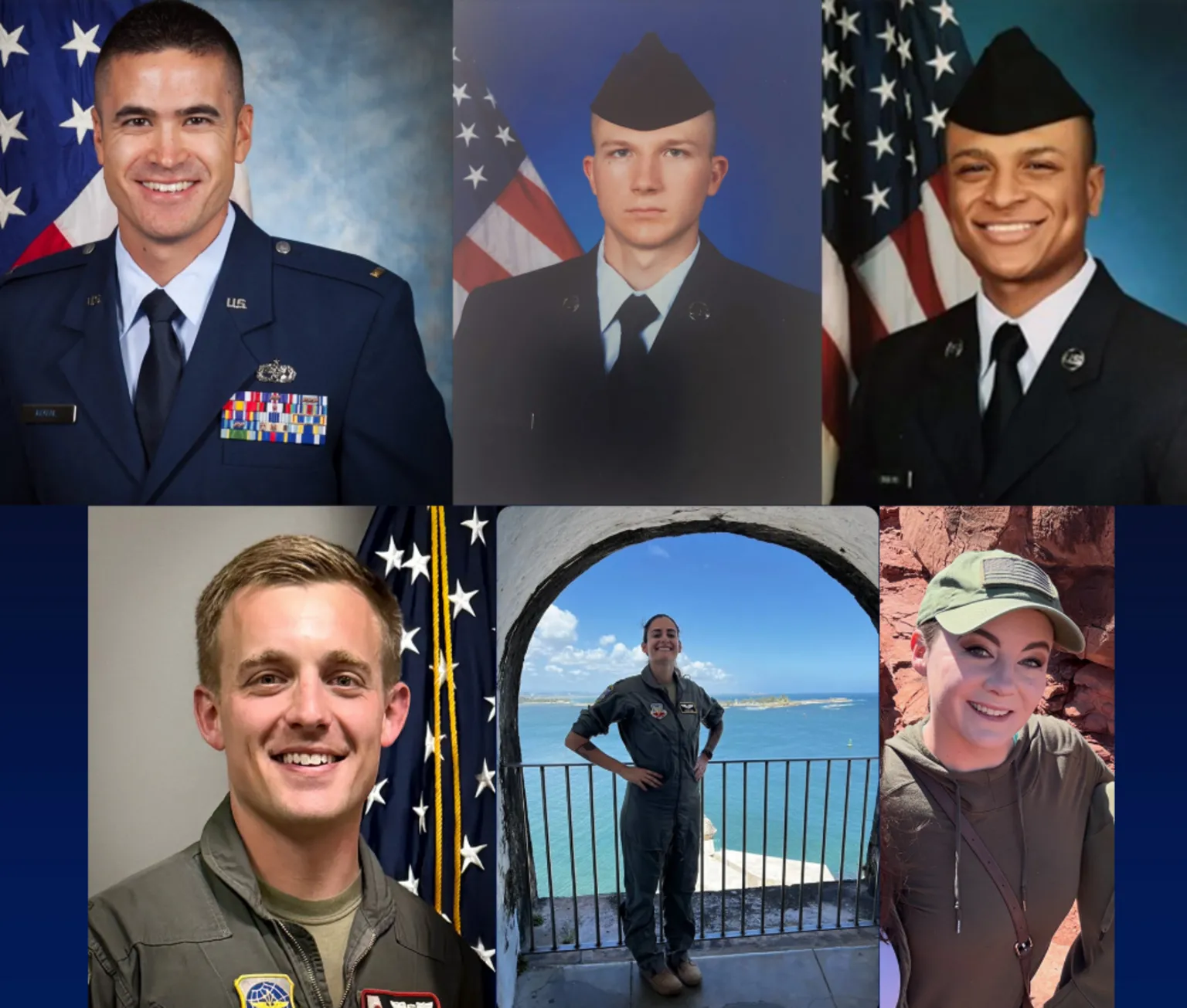
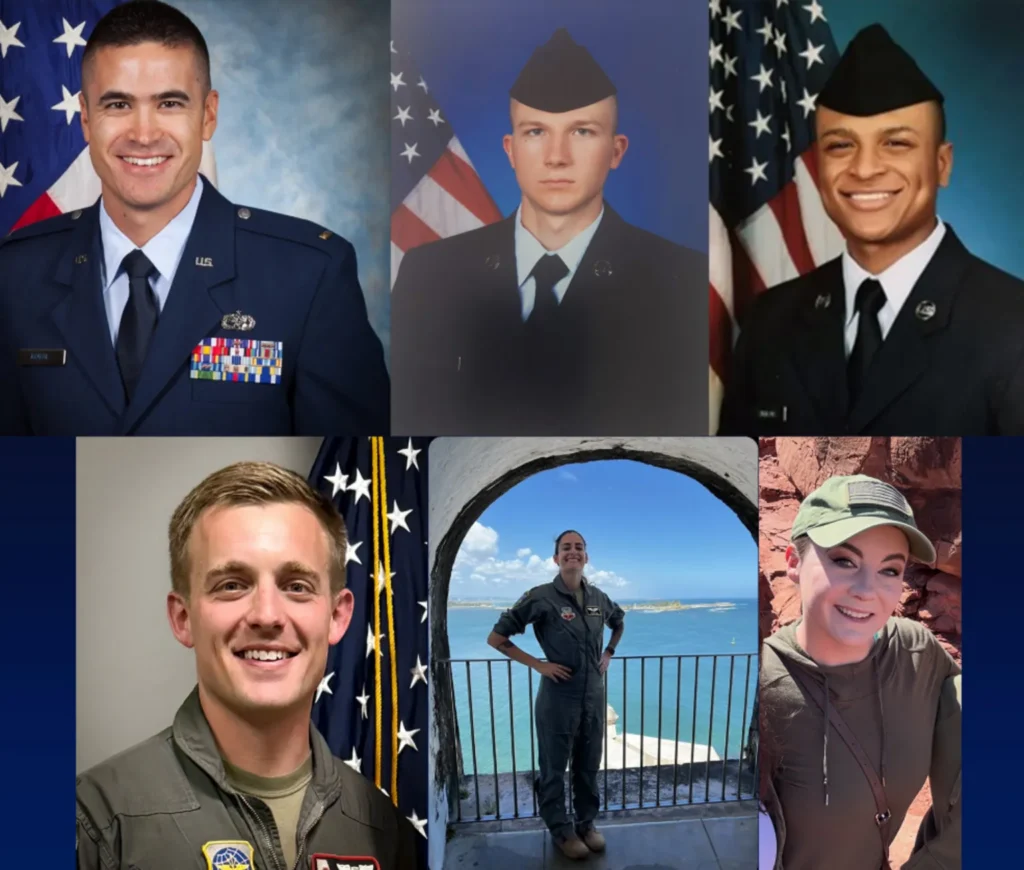
The six service members were identified as Maj. John A. “Alex” Klinner, Capt. Ariana G. Savino, Tech. Sgt. Ashley B. Pruitt, Capt. Seth R. Koval, Capt. Curtis J. Angst, and Tech. Sgt. Tyler Simmons. Their ages ranged from 28 to 38. Three were associated with the 6th Air Refueling Wing and three with the 121st Air Refueling Wing of the Ohio Air National Guard. (The Wall Street Journal)
A Mission in a Dangerous Region
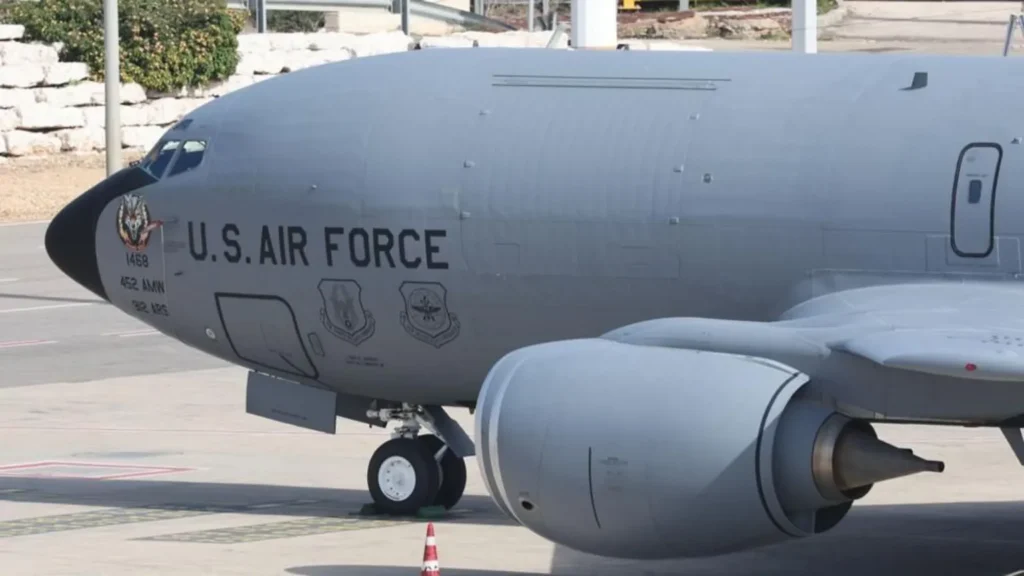
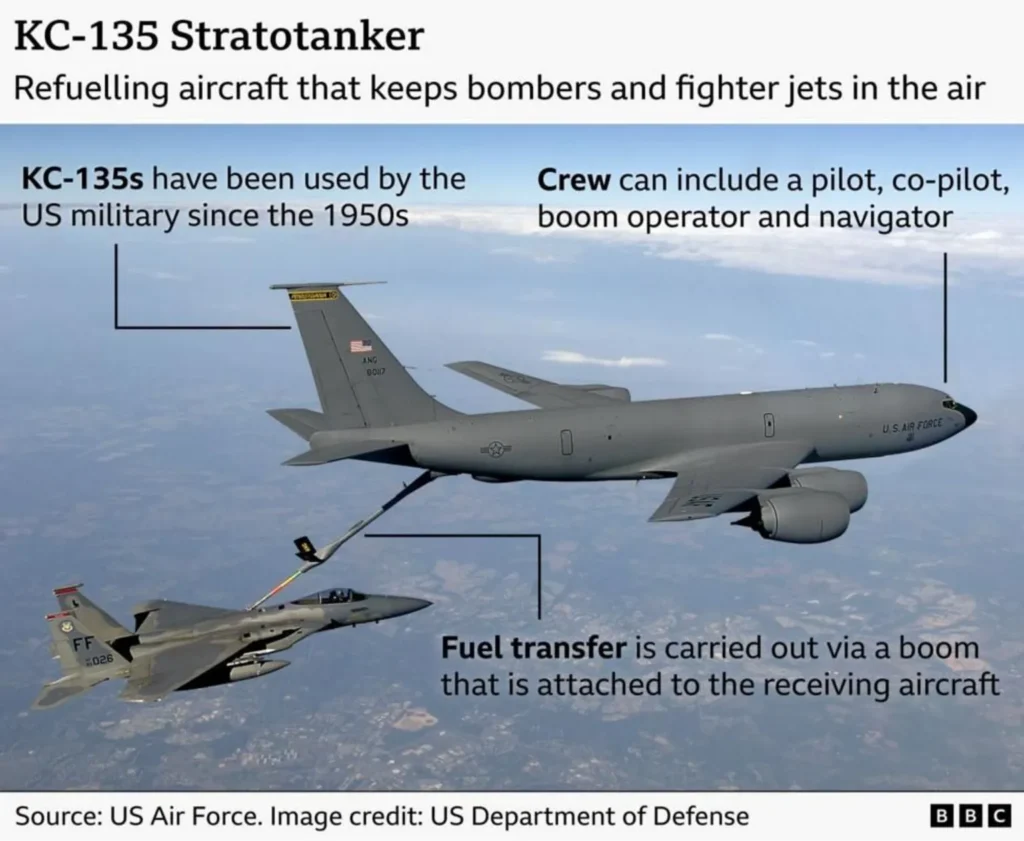
The KC-135 Stratotanker is one of the most important support aircraft in the U.S. military. Rather than carrying weapons into combat like a fighter jet or bomber, the tanker provides fuel to other aircraft while they are airborne. This capability allows fighters, bombers and other aircraft to remain in the air for much longer periods and operate far from their bases.
The March 12 mission was part of ongoing U.S. operations in the Middle East. The aircraft was flying over western Iraq, an area that has become increasingly dangerous because of the wider regional conflict.
According to military officials, the incident involved another KC-135. While details about exactly what happened remain under investigation, the second aircraft survived and landed safely. The damaged aircraft reportedly suffered serious damage but managed to return to safety. (AP News)
The fact that the incident happened in friendly airspace was significant. Officials specifically ruled out hostile or friendly fire as the cause, meaning investigators have been examining other possibilities, including an in-air incident between the two aircraft.
The Six Airmen
The Pentagon’s identification of the victims brought a personal dimension to the tragedy.
Maj. John A. “Alex” Klinner, 33, was from Alabama and was assigned to the 6th Air Refueling Wing. Reports described him as a husband and father who had a young family. His death left behind his wife and children. (People.com)
Capt. Ariana G. Savino, 31, was from Covington, Washington. She was also associated with the 6th Air Refueling Wing. Friends and colleagues remembered her as a positive and inspiring person who cared deeply about the people around her. (People.com)
Tech. Sgt. Ashley B. Pruitt, 34, was from Bardstown, Kentucky. She served with the 6th Air Refueling Wing. Family members and friends remembered her as a warm and energetic person whose presence made a difference to those around her. (People.com)
The other three airmen were connected to the 121st Air Refueling Wing at Rickenbacker Air National Guard Base in Ohio.
Capt. Seth R. Koval, 38, was from Indiana and lived in Ohio. According to his family, becoming a pilot had been a lifelong dream. He was remembered as a loving husband and someone who enjoyed helping others solve problems. (AP News)
Capt. Curtis J. Angst, 30, lived in Columbus, Ohio. His family described his life as one defined by service, generosity and a genuine concern for other people. (AP News)
Tech. Sgt. Tyler Simmons, 28, was from Columbus, Ohio. His death was particularly felt within the Ohio Air National Guard, where fellow service members and political leaders paid tribute to him and the other Ohio airmen. (AP News)
Three of the six victims were Ohio Air National Guard members, a fact that prompted an outpouring of grief across Ohio. The state’s leaders expressed condolences to the families and recognized the sacrifice made by the three airmen. (Spectrum News 1)
What Happened to the KC-135?
The exact sequence of events remains an important part of the investigation.
The KC-135 was conducting an operational mission when it was involved in an unspecified incident with another aircraft. U.S. Central Command described the aircraft as being in friendly airspace. The second aircraft survived and landed safely, while the first aircraft crashed in western Iraq. (AP News)
Early reports initially indicated that four crew members had died while two were missing. Search and rescue teams continued looking for the remaining personnel. The U.S. military later confirmed that all six crew members had died. (The Guardian)
The confirmation changed the tragedy from an accident involving missing personnel into a complete loss of the aircraft’s crew.
Military investigators are expected to examine flight data, communications, maintenance records, weather conditions, aircraft positioning and the interaction between the two tankers. Until that investigation is completed, it is important not to assume a specific cause.
The Importance of the KC-135 Stratotanker
The KC-135 has been a central part of American airpower for decades.
First introduced in the 1950s, the aircraft was designed to provide aerial refueling and has remained in service through numerous upgrades and modernization programs. Its ability to refuel aircraft in flight allows combat aircraft to travel farther, remain airborne longer and spend more time conducting missions.
A tanker crew may not be directly involved in an air-to-air engagement, but its mission is essential to combat operations. Fighter aircraft often depend on tankers to extend their range and endurance.
This makes the loss of a KC-135 significant beyond the aircraft itself. The tanker represents a critical link in the broader military system.
The aircraft’s long service history also means that questions about maintenance, modernization, crew safety and operational procedures regularly receive attention whenever a serious accident occurs.
A Difficult Environment for Aircrews
Military flying is inherently demanding, particularly during combat operations.
A tanker crew must maintain precise formation and communication with other aircraft while monitoring fuel systems, navigation, weather and air traffic. When multiple aircraft operate in the same area, coordination becomes extremely important.
Refueling operations require aircraft to fly relatively close to one another. The tanker and receiving aircraft must maintain stable positions and carefully follow established procedures.
When two tankers are operating in the same airspace, pilots and crews must maintain constant situational awareness. Even a brief loss of separation can potentially have catastrophic consequences.
The March 12 accident demonstrated how dangerous military aviation can be even when aircraft are operating away from the immediate battlefield.
Questions About Crew Safety
The crash has also renewed discussion about the safety equipment available to KC-135 crews.
Reports noted that KC-135 aircraft no longer routinely carry parachutes for their crews, following an Air Force decision made years earlier. The service determined that emergency bailout procedures from a large tanker could present significant risks and that crash-landing options were generally preferable in many circumstances. (San Antonio Express-News)
The issue is now being discussed again because all six crew members aboard the aircraft died.
However, it is important to distinguish between the existence of a safety debate and evidence about the cause of this particular accident. There is currently no public evidence establishing that the absence of parachutes caused or contributed to the crash.
Whether parachutes could have changed the outcome would depend on the aircraft’s altitude, speed, damage, attitude and the amount of time available to respond. Those details are part of the broader questions investigators must consider.
Tributes From Across the United States
The deaths affected military communities far beyond the aircraft’s home units.
The Ohio Air National Guard mourned three of its members, while the units associated with the other three victims also paid tribute. Their deaths represented a painful reminder that military service involves risks even during missions that are not conventional combat engagements.
The families of the six airmen faced the difficult task of grieving while the wider military community remembered their service.
For many military families, deployments create long periods of separation. Service members may leave home expecting to return after completing their assignments. A sudden aircraft accident can therefore have an enormous emotional impact on spouses, children, parents, siblings, friends and colleagues.
The stories of the six victims show that behind every military casualty is an individual with a family, career, ambitions and relationships.
A Wider Cost of Military Operations
The KC-135 crash occurred during a period of intense military activity in the Middle East.
The accident added to the number of U.S. service members killed during the conflict. Associated Press reported that the crash brought the number of U.S. military deaths connected to Operation Epic Fury to at least 13 at that stage, with many more service members injured. (AP News)
The incident also demonstrated the complexity of modern military operations. Aircraft can face dangers not only from enemy weapons but also from mechanical problems, weather, human factors, communication issues and interactions with other aircraft.
For tanker crews, the mission often involves operating for long periods while supporting other aircraft. Their contribution may receive less public attention than that of fighter pilots, but without aerial refueling, many large-scale air operations would be far more difficult.
Investigation Continues
The most important unanswered question remains: what caused the KC-135 to crash?
The U.S. military has said the aircraft was not lost because of hostile fire or friendly fire. Officials have also confirmed that another aircraft was involved in the incident and that the second aircraft landed safely. (AP News)
Investigators will need to reconstruct the final moments of the flight using available evidence. This could include flight-data recordings, aircraft maintenance information, radar tracks, communications and witness accounts.
Investigations into military aircraft accidents can take considerable time because investigators must carefully determine whether mechanical, operational, environmental or human factors were involved.
The final findings will be important not only for understanding the deaths of the six airmen but also for preventing a similar accident in the future.
Remembering the Six
The loss of Maj. John Klinner, Capt. Ariana Savino, Tech. Sgt. Ashley Pruitt, Capt. Seth Koval, Capt. Curtis Angst and Tech. Sgt. Tyler Simmons represents a profound loss for their families, friends, units and country.
They were members of a specialized community whose work helped keep other aircraft in the air. Their mission was an essential part of America’s military operations in the region.
The tragedy also highlights the risks faced by military personnel every time they leave the ground.
For their families, the most important part of the story is not the aircraft’s model number or the details of the mission. It is the memory of six people who served their country and never returned home.
As investigators continue working to determine exactly what happened over western Iraq, the military community and the families of the fallen are left to mourn.
The KC-135 crash serves as another reminder that aviation safety is built on lessons learned from tragedy. Understanding the accident, identifying contributing factors and implementing corrective measures can help protect future crews.
Above all, the six airmen should be remembered not simply as names connected to an aircraft accident, but as service members who accepted the responsibilities of military aviation and made the ultimate sacrifice while carrying out their mission.
The investigation into the crash remains ongoing, and additional findings may provide more information about the circumstances surrounding the loss of the aircraft and its six-person crew. (The Wall Street Journal)
Sources
This article is based on reporting from the Associated Press, U.S. military statements, the Pentagon and other established news organizations. The identities and unit affiliations of the six service members are consistent with Pentagon reporting published after their families were notified. (AP News)