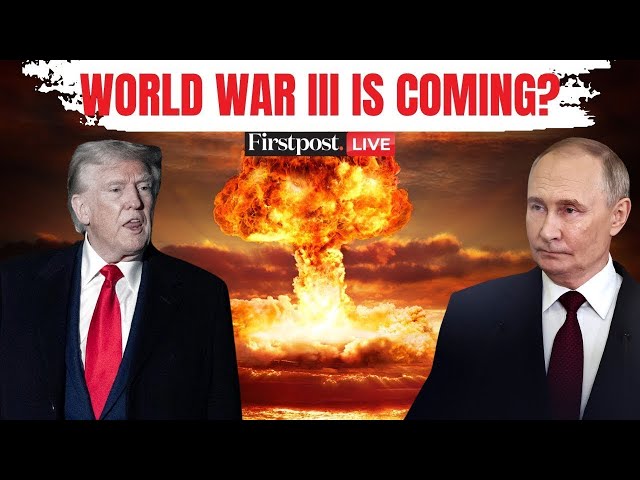
MOSCOW — Tensions between Russia and the West continue to attract worldwide attention as Moscow maintains a tough position on national security, military strategy, and the future of the international order. Statements from Russian officials, combined with ongoing military developments and the continuing war in Ukraine, have raised concerns among governments and analysts around the world.
While claims that Russia is directly “threatening the entire world” can be exaggerated, there is little doubt that Russia’s military power and its confrontation with Western countries have created one of the most serious security challenges in Europe in decades.
Growing Tensions With the West
Russia has repeatedly warned that it considers certain Western military activities and policies a threat to its national security. Moscow has criticized NATO expansion, Western military assistance to Ukraine, and the deployment of military equipment near areas considered strategically important to Russia.
Western governments, meanwhile, argue that Russia’s military actions and rhetoric have created serious risks for European security.
The result has been a dangerous cycle of warnings and counter-warnings, with both sides attempting to demonstrate that they are prepared to respond if the situation becomes more serious.
Nuclear Weapons Remain a Major Concern
One of the biggest reasons Russia’s statements receive global attention is its status as a major nuclear power.
Russia possesses one of the world’s largest nuclear arsenals, making any discussion involving nuclear weapons particularly serious. Russian officials have occasionally referred to the possibility of using all available capabilities if the country faces what it considers an existential threat.
Such statements do not automatically mean that Russia intends to launch a nuclear attack. However, they increase international concern because miscalculation or escalation between nuclear-armed states could have devastating consequences.
For this reason, governments around the world continue to emphasize deterrence, communication, and diplomatic channels designed to prevent a crisis from spiraling out of control.
The War in Ukraine
The war in Ukraine remains at the center of Russia’s confrontation with the West.
Russia continues to pursue its military objectives in Ukraine, while Ukraine receives substantial political, financial, and military support from Western countries. The conflict has already caused enormous human suffering and has affected energy markets, food security, international trade, and global diplomacy.
The longer the conflict continues, the greater the possibility that an incident could involve countries outside the immediate battlefield.
However, it is important to distinguish between the ongoing war in Ukraine and the broader claim that Russia is preparing to attack the entire world. There is no basis for automatically assuming that every Russian military movement represents preparations for a global war.
Why the World Is Watching Closely
Russia remains a major military and political power with significant influence in Europe, Asia, the Middle East, and other regions.
Moscow has also strengthened relationships with several countries outside the Western alliance system. This has contributed to a changing global balance of power and increased competition between Russia and Western governments.
Military exercises, weapons development, strategic bomber flights, naval deployments, and missile tests can all attract international attention. Although many of these activities can be part of routine military planning, they can also send political messages to other governments.
The challenge for policymakers is determining whether a particular development represents normal military signaling or a genuine preparation for escalation.
Could This Lead to a Wider War?
The possibility of a wider conflict remains one of the greatest concerns among international security experts.
A direct military confrontation between Russia and NATO would be dramatically more dangerous than the current conflict because NATO includes multiple nuclear-armed and technologically advanced military powers.
For this reason, both sides have generally attempted to avoid direct combat with each other even while supporting opposing sides in the Ukraine conflict.
The greatest danger may come from miscalculation. A missile crossing a border, an aircraft being accidentally shot down, a naval incident, or a misunderstanding during a military exercise could potentially create pressure for retaliation.
That is why military communication channels and diplomatic negotiations remain extremely important.
What Happens Next?
The future remains uncertain.
Russia is likely to continue defending its security interests and military objectives, while Western governments are expected to maintain pressure on Moscow and support Ukraine. At the same time, diplomatic efforts may continue behind the scenes in an attempt to reduce the risk of further escalation.
For ordinary people around the world, the most important point is that alarming headlines should be treated carefully.
Russia’s military capabilities are real, and its confrontation with Western powers represents a serious geopolitical challenge. But describing every development as proof that “Russia is about to start World War III” can create unnecessary fear and confusion.
A World Watching Closely
The international community is entering a period in which military power, nuclear deterrence, technology, cyber capabilities, and geopolitical alliances are increasingly interconnected.
Russia’s actions and statements will therefore continue to receive close attention from governments, financial markets, military analysts, and the public.
Whether tensions eventually decrease or become even more dangerous will depend on decisions made by leaders on all sides.
For now, the message from the international community remains clear: avoiding direct confrontation between nuclear powers is one of the most important priorities for global security.
The world is watching Moscow closely—but the future will depend not only on military strength, but also on diplomacy, communication, and the willingness of governments to prevent a dangerous escalation.