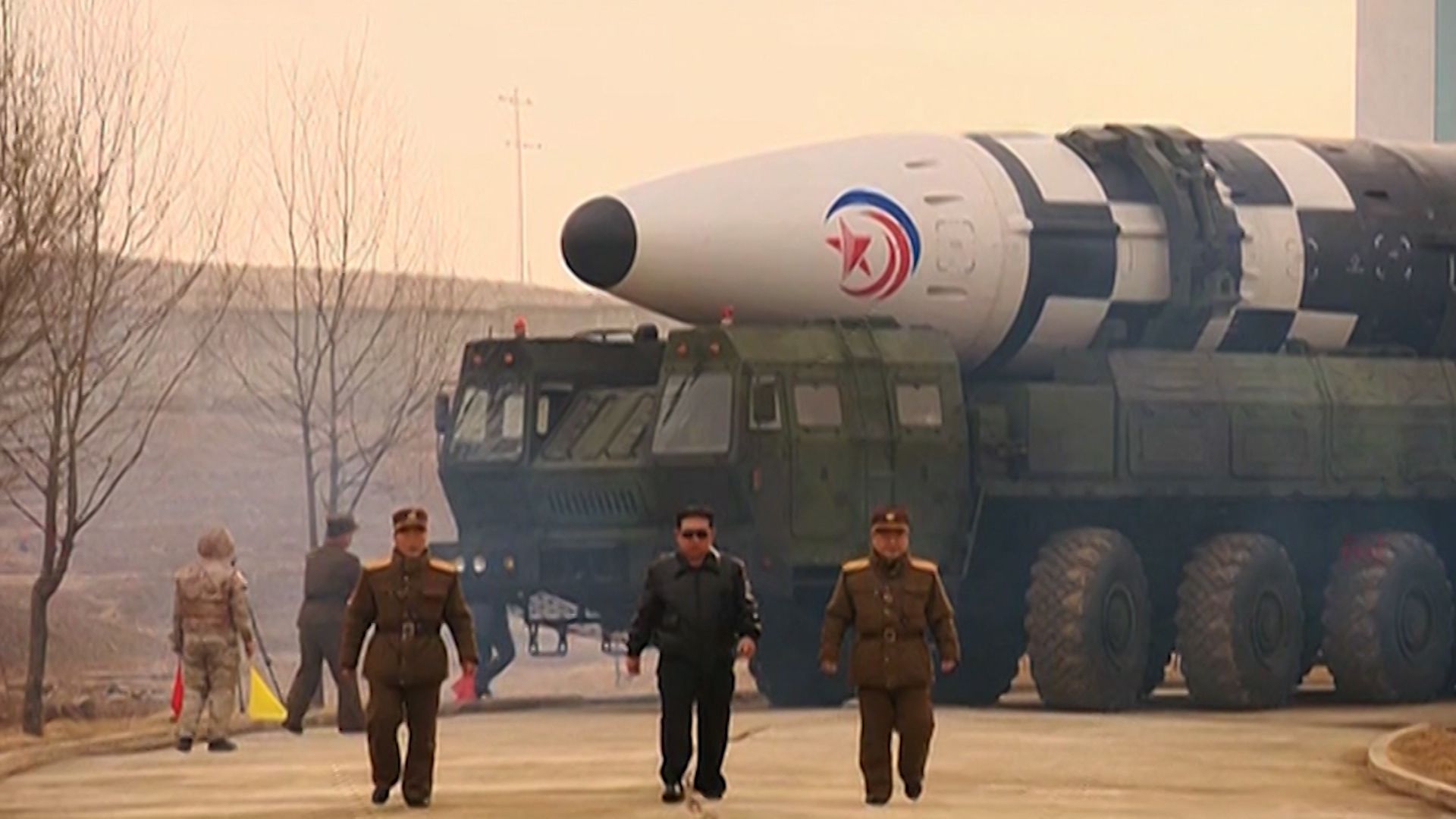
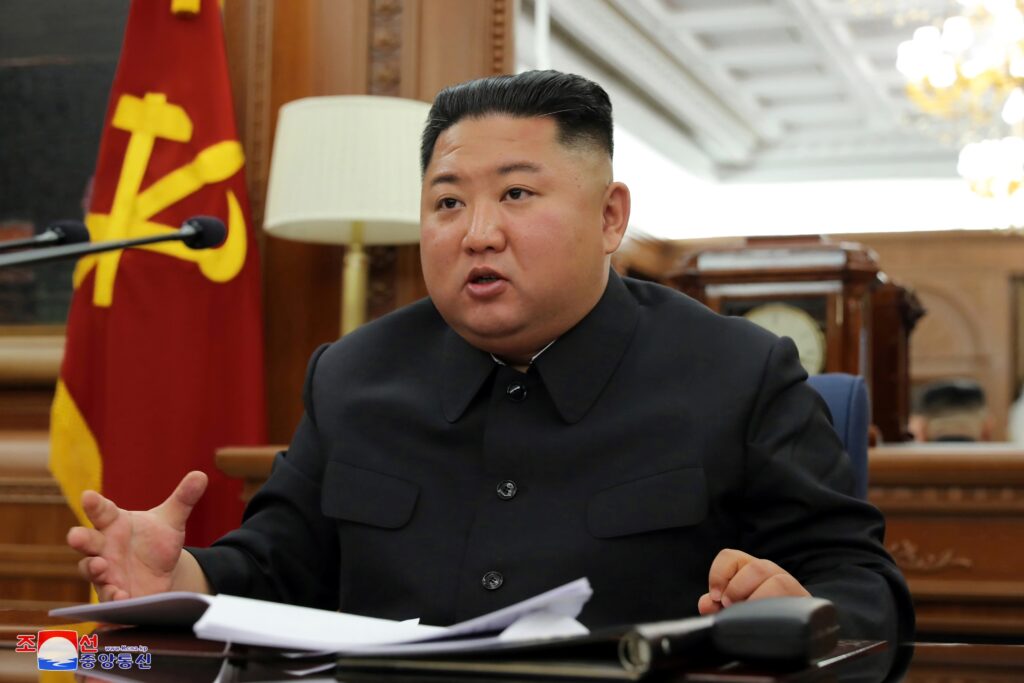
North Korea has once again attracted international attention after new evidence pointed to a significant expansion of its nuclear infrastructure, raising fresh concerns about the country’s long-term weapons capabilities and the security situation on the Korean Peninsula.
According to recent reporting, the International Atomic Energy Agency (IAEA) has identified what appears to be a newly constructed uranium-enrichment facility at North Korea’s Yongbyon nuclear complex. Satellite imagery and other publicly available information indicate that the facility could accommodate up to 28 centrifuge cascades, representing a potentially significant expansion of Pyongyang’s ability to produce weapons-grade nuclear material. (Reuters)
A Major Expansion at Yongbyon
Yongbyon has long been regarded as one of the most important parts of North Korea’s nuclear program. The complex has been associated with uranium enrichment, plutonium production and other nuclear activities.
The newly identified facility has reportedly been built as a two-story structure, with space for centrifuge cascades on both floors. The development is particularly significant because uranium enrichment is one of the key processes involved in producing material that can be used in nuclear weapons.
The IAEA has expressed serious concern over the continued expansion of North Korea’s nuclear infrastructure. Because international inspectors have not had access to North Korea’s nuclear facilities for many years, the agency relies heavily on satellite imagery and other open-source information to assess developments. (Reuters)
Why the Development Matters
The latest development does not automatically mean that North Korea has produced a specific number of additional nuclear weapons. However, an expansion of enrichment capacity could provide the country with greater potential to manufacture weapons-grade nuclear material over time.
This is why international officials and security analysts are watching the situation closely.
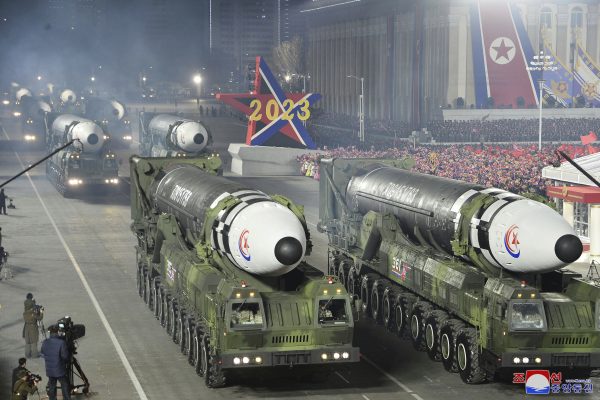
North Korea has repeatedly stated that it intends to strengthen its nuclear forces. Earlier this year, Kim Jong Un called for an “exponential” expansion of the country’s nuclear arsenal and said production capacity for weapons-grade nuclear material had increased substantially over the previous five years. (Reuters)
The latest activity therefore appears to fit into a broader pattern of nuclear development rather than being an isolated construction project.
International Concerns Grow
North Korea’s nuclear program remains a major source of tension in East Asia. The United Nations and international nuclear authorities have repeatedly called on Pyongyang to comply with relevant Security Council resolutions and abandon its nuclear weapons program.
The IAEA has also emphasized that its ability to verify developments inside North Korea is limited because agency inspectors have not been able to conduct safeguards activities there since 2009. As a result, assessments based on satellite imagery can identify construction and other visible activity, but they cannot provide the same level of confirmation as direct inspections. (International Atomic Energy Agency)
That limitation is important when interpreting reports about North Korea. Satellite imagery can show buildings, construction and other changes, but it may not reveal exactly how a facility is being operated or how much nuclear material is being produced.
A Changing Regional Security Environment
The nuclear development comes at a time when North Korea’s relationships with neighboring powers are also attracting attention.
China and Russia recently reaffirmed their strategic relationships with Pyongyang in messages marking North Korea’s 78th founding anniversary. Both countries emphasized continued strategic cooperation with Kim Jong Un’s government. (Reuters)
North Korea is also strengthening economic and transportation connections with its neighbors. Recent satellite analysis indicates that construction is nearing completion on the North Korean side of a major bridge linking the country with China, potentially creating another channel for future trade and economic activity. (Reuters)
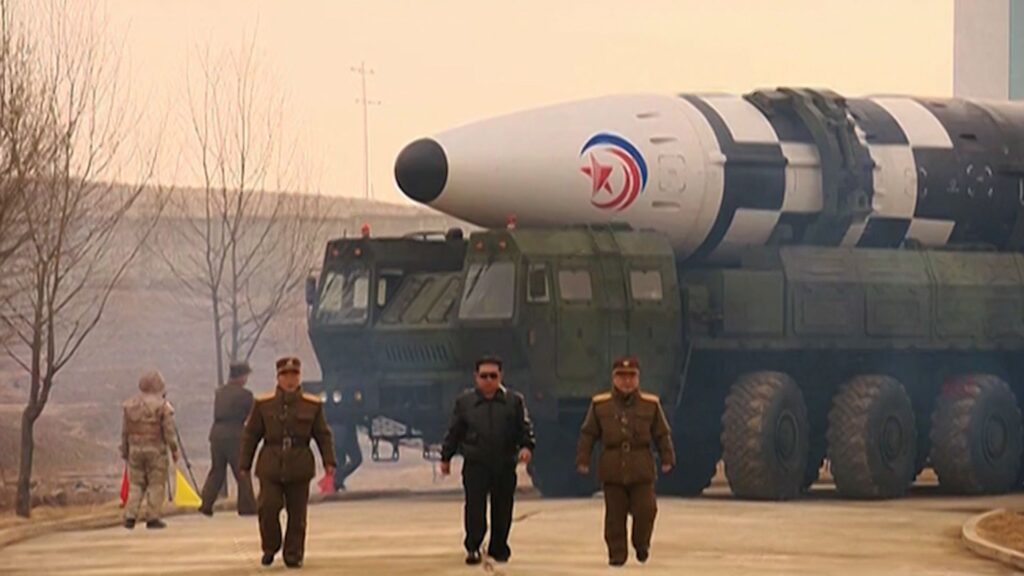
These developments add another layer to the regional picture, as North Korea continues to pursue its military ambitions while maintaining close relationships with China and Russia.
What Happens Next?
The biggest question is how quickly North Korea’s expanded nuclear infrastructure could translate into additional weapons-grade material and, potentially, a larger nuclear arsenal.
For now, outside observers cannot independently verify every detail of North Korea’s nuclear activities. The absence of international inspectors makes satellite imagery and intelligence assessments especially important.
The international community is likely to continue monitoring Yongbyon and other nuclear-related locations for signs of further construction, increased enrichment activity or other changes.
Any additional nuclear tests, missile launches or major changes to North Korea’s nuclear facilities could significantly increase tensions across the Korean Peninsula.
Conclusion
North Korea’s reported expansion of uranium-enrichment infrastructure represents a serious development with potential implications far beyond its borders.
The newly identified facility at Yongbyon, combined with continuing activity at other nuclear sites and Pyongyang’s public commitment to expanding its nuclear capabilities, suggests that North Korea is continuing to prioritize the development of its strategic weapons program. (Reuters)
However, it is important to distinguish confirmed observations from speculation. The existence and construction of the facility have been identified through available evidence, but its exact operational status and output cannot be fully confirmed without access to the site.
For the United States, South Korea, Japan and other countries in the region, the developments will likely remain a major security concern. The world will be watching closely for further evidence of how North Korea’s expanding nuclear infrastructure could affect the balance of power in East Asia.