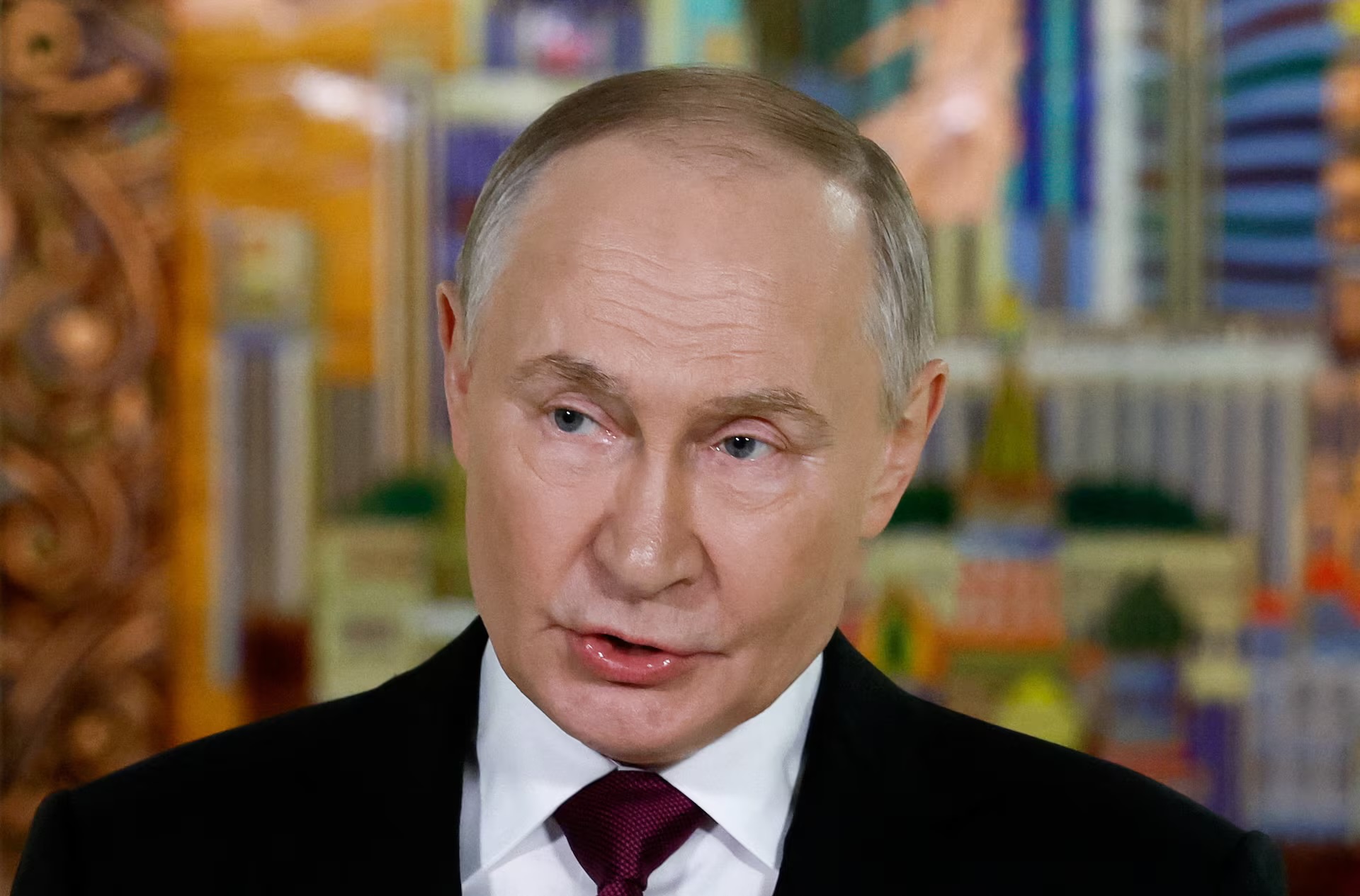

Moscow has once again warned European countries that deploying troops to Ukraine could lead to a direct confrontation with Russia, raising fresh concerns about the future of European security and the possibility of a wider conflict.
The warning comes as European governments continue to discuss potential security arrangements for Ukraine, including the possibility of sending personnel to help monitor or support a future peace agreement. Moscow, however, has repeatedly expressed strong opposition to the presence of European military forces on Ukrainian territory.
Moscow’s Warning to Europe
Russian officials have argued that the deployment of European troops to Ukraine would represent a major escalation. From Moscow’s perspective, foreign military personnel operating in Ukraine could become directly involved in the conflict, particularly if they were attacked or required to respond to threats.
Russian President Vladimir Putin has previously warned that European countries sending troops to Ukraine could be interpreted as becoming parties to the war. The Kremlin has also emphasized that any foreign military presence would need to be considered carefully in the context of Russia’s national security interests.
The latest warning reflects Moscow’s broader position that the involvement of NATO members in Ukraine could create a dangerous situation in which a local conflict develops into a direct confrontation between Russia and European powers.
Why European Troops Are Being Discussed
The discussion about European troops is linked to possible future peace negotiations and security guarantees for Ukraine. Some European leaders have explored ways to help protect Ukraine after a potential ceasefire or peace agreement.
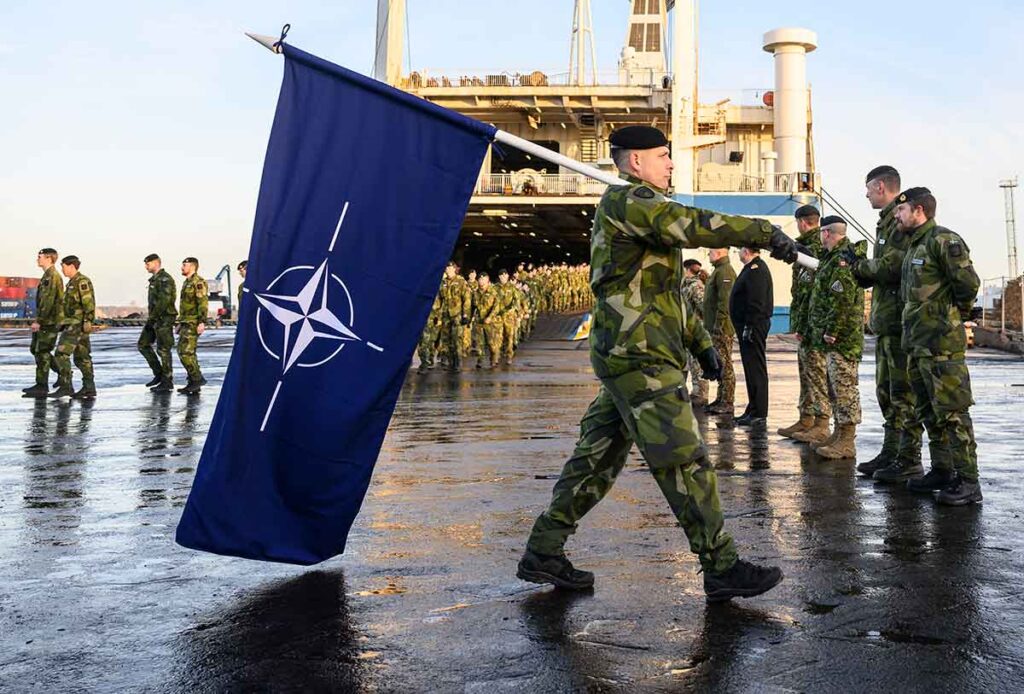
Possible arrangements could include monitoring a ceasefire, supporting Ukrainian forces, helping maintain security, or providing reassurance that a future agreement would be respected. However, the exact role, size, and authority of any potential mission remain matters of political and military debate.
European governments have not presented a single unified plan, and any deployment would likely require extensive discussions about legal authority, military risks, funding, and the responsibilities of participating countries.
The Risk of Miscalculation
One of the biggest concerns is the possibility of miscalculation. If European troops were deployed to Ukraine and became involved in an incident with Russian forces, the situation could become more dangerous very quickly.
Even if the mission were intended to be defensive or peacekeeping in nature, Russia might view it as a threat. European governments, meanwhile, would face difficult decisions about how to respond if their personnel were attacked.
This is why the question of military guarantees for Ukraine remains highly sensitive. Supporters argue that a credible security presence could help prevent renewed fighting. Critics warn that it could increase the risk of direct confrontation with Russia.
Europe’s Security Concerns
European countries have their own reasons for focusing on Ukraine’s future security. The war has raised concerns about territorial sovereignty, military deterrence, and the long-term stability of the continent.
Many European leaders believe that Ukraine’s security is closely connected to Europe’s wider security. They argue that any peace agreement must provide meaningful protection against another major offensive.
At the same time, European governments must consider the consequences of sending troops into a conflict zone where Russia remains a major military power. The possibility of escalation is one of the central issues shaping the debate.
Does This Mean War Between Russia and Europe Is Imminent?
Not necessarily. A warning from Moscow does not mean that a direct Russia–Europe war has begun or that one is certain to happen.
The situation remains dependent on political decisions, diplomatic negotiations, and the specific conditions of any future military deployment. European countries could ultimately decide against sending troops, or they could establish a mission with limited responsibilities and strict rules.
However, the repeated warnings demonstrate how seriously Russia views the possibility of European military personnel operating in Ukraine. They also show how difficult it may be to design a peacekeeping or security arrangement that is acceptable to all sides.
What Happens Next?
The future of the proposal will depend on several factors, including the progress of peace negotiations, the position of the United States, the willingness of European governments to participate, and Ukraine’s own security requirements.
Diplomatic efforts may continue, but the disagreement over foreign troops remains one of the most complicated issues. Any plan would need to address not only how peace could be maintained, but also how to prevent a military incident from triggering a broader conflict.
For now, Russia’s latest warning adds another layer of tension to an already fragile security environment. Europe faces the challenge of supporting Ukraine while avoiding steps that could unintentionally expand the war.
Conclusion
Russia’s renewed warning to Europe highlights the serious risks surrounding any proposal to deploy European troops to Ukraine. While such a mission could be designed to support peace and stability, Moscow views the presence of foreign forces as a potential threat.
The debate is far from over. Whether Europe moves forward with a military presence, relies on diplomatic guarantees, or considers another security arrangement, the decisions made in the coming months could have major consequences for Ukraine, Russia, and the future of European security.
The central question remains: Can Europe help secure peace in Ukraine without creating a direct military confrontation with Russia?