Tensions between Russia and the West continue to attract global attention as Moscow has repeatedly warned that a further escalation of the conflict could create serious consequences, including the potential use of nuclear weapons. Such statements have raised concerns around the world and renewed debate about the dangers of nuclear escalation.
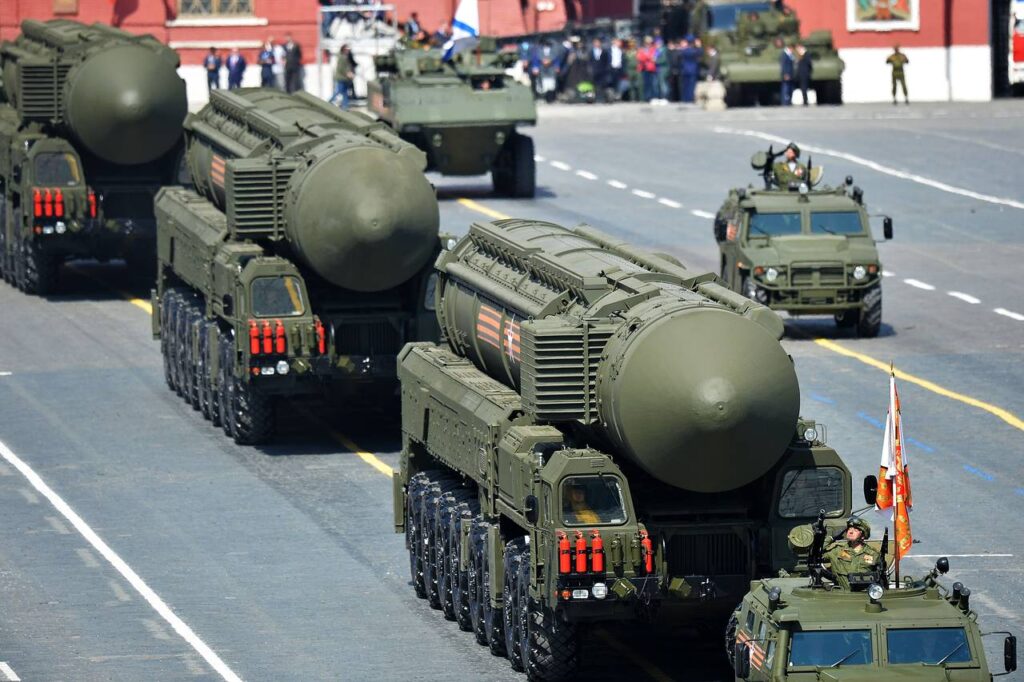
Russia possesses one of the world’s largest nuclear arsenals, making any public discussion of nuclear weapons particularly significant. However, a nuclear warning does not automatically mean that a nuclear attack is imminent. Russian officials have frequently used strong language to emphasize what Moscow considers to be unacceptable threats to its national security.
The latest warnings come amid continuing geopolitical tensions involving Russia, Ukraine, NATO and Western governments. As military support for Ukraine continues and countries debate additional sanctions and weapons deliveries, Moscow has repeatedly accused Western nations of becoming increasingly involved in the conflict.
Why Russia’s Nuclear Warnings Matter
Nuclear weapons are fundamentally different from conventional weapons because their use could cause catastrophic destruction and potentially affect millions of people. Even a limited nuclear exchange could create consequences extending far beyond the battlefield.
For this reason, statements involving nuclear weapons are closely watched by governments, military analysts and international organizations. Leaders around the world generally emphasize the importance of preventing misunderstandings, miscalculations and uncontrolled escalation.
Russia’s nuclear doctrine and official statements have evolved over time, but Moscow has consistently maintained that nuclear weapons are primarily intended as a deterrent against existential threats to the Russian state.
This distinction is important. Political rhetoric, military warnings and actual preparations for nuclear use are not necessarily the same thing.
Growing Concern in Europe
European governments have been closely monitoring developments because any major escalation between Russia and NATO could have consequences for regional security.
NATO members have repeatedly stated that they want to support Ukraine while avoiding a direct military confrontation between NATO forces and Russia. At the same time, Russia has warned that increased Western involvement could create risks of a wider conflict.
This difficult balance has created a highly sensitive security environment.
Military analysts often describe nuclear deterrence as a system in which countries attempt to prevent war by making clear that an attack could trigger unacceptable consequences. The danger arises when political leaders make increasingly aggressive threats or when military actions are misunderstood.
What Could Happen Next?
The immediate future remains uncertain. A nuclear attack should not be assumed simply because Russian officials issue nuclear-related warnings. Governments typically examine multiple indicators before determining whether a genuine change in nuclear posture has occurred.
International leaders are likely to continue urging restraint and diplomatic communication. Behind the scenes, military and intelligence agencies will also be watching for signs that could indicate a significant change in Russia’s nuclear readiness.
The international community has a strong interest in preventing the conflict from expanding beyond conventional warfare.
The Global Impact of Nuclear Escalation
Any actual use of a nuclear weapon would represent a dramatic turning point in modern history. Beyond the immediate destruction, it could trigger humanitarian, economic, environmental and geopolitical consequences.
Markets could react sharply, international travel and trade could be disrupted, and governments could increase military readiness. Most importantly, a nuclear incident could create pressure for further escalation at a time when leaders would need to prioritize communication and de-escalation.
That is why nuclear threats are taken seriously even when there is no confirmed evidence that an attack is about to occur.
A Situation the World Is Watching
Russia’s nuclear rhetoric remains one of the most closely watched aspects of the broader confrontation between Moscow and Western countries. While strong statements can increase public anxiety, it is important to distinguish between a warning, a change in military posture and an actual decision to use nuclear weapons.
For now, the central concern for the international community is preventing the situation from reaching a point where nuclear weapons are used.
As tensions continue, governments around the world are expected to monitor Russia’s statements and military activities closely. Diplomacy, communication and carefully managed deterrence will remain critical in preventing a dangerous escalation.
Disclaimer: This article discusses nuclear-related threats and geopolitical developments. A nuclear warning or statement should not be interpreted as confirmation that Russia has decided to launch or use a nuclear weapon. Readers should rely on official statements and reputable news organizations for confirmed breaking developments.